This article highlights the importance of understanding the core values and beliefs of your target audience to inform your messaging, which is especially true in our ‘political football’ arena of cycle advocacy.
I’m sure others know this intuitively, but I found this article a very helpful reminder of the true nature of our business.
Some of it applies but be cautious in over stating. When people argue about bike lanes, they’re usually not thinking about their political beliefs. They’re thinking things like:
• “This will make traffic worse”
• “I need somewhere to park”
• “What if an ambulance needs to get through?”
The real problem isn’t left vs. right politics - it’s that we’ve all grown up in a world where cars are seen as the “normal” way to use roads. So when bike lanes take away car space, it feels wrong to people, even if they generally support progressive causes.
The reason people oppose bike lanes because “cars come first” has been drilled into our culture, not because of their deeper political values. So we shouldn’t read too much into the connection between welfare attitudes and bike lane support.
of course for some people that might be true, it’s not true for everyone.
Here is instead a good report on how to frame language on safe streets.
I have another caution regarding the framing of transport projects. While describing “how cycle lanes can reduce congestion, cut commuting costs or boost local high streets” may allow some tactical wins, it will also reinforce that we make decisions based on individual interests and not on community wellbeing. It keeps cars as the central focus, ahead of people.
Aē, we need to focus on wellbeing, safety and community not cars.
When I was at uni I wrote an essay on how children’s safety, wellbeing, independent mobility and quality of life is improved by ‘active transportation’, as more pedestrians on the footpaths makes it safer for kids to walk places and do less cars on the road. I’ll see if I’ve still got a copy and fish it out for the references.
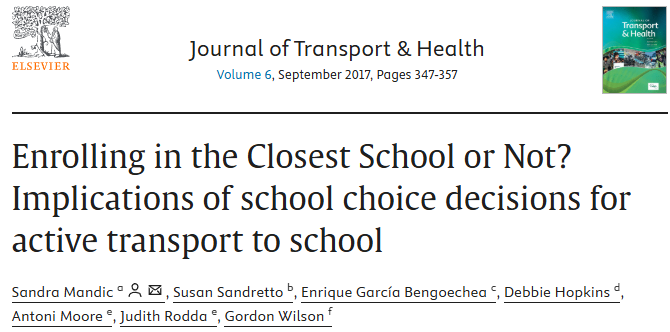
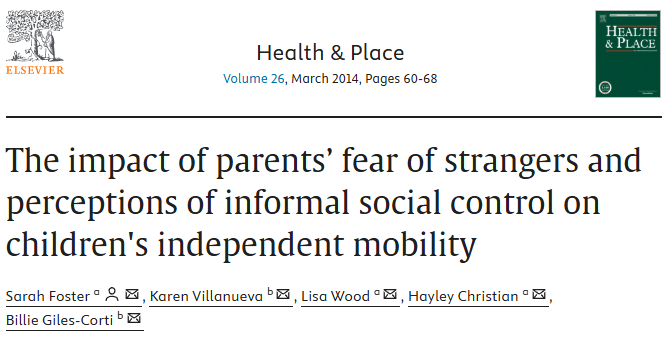
These two articles are good starting places for discussing how active transport makes communities safer for everyone, not even infrastructure for active transport, just how more people walking and cycling makes it safer for kids, and then lead into infrastructure from there?
Here is the first one outlined in an easily digestible ODT article back in 2017:
The takeaway is very affirming for me personally! Basically, encourage your children to go to a close school, so that active transport is a serious option. And they’ll use it - maybe not all the time, but they will. And this sets up very good habits.
The cultural challenge is that active transport usage is valued far less by most people than ‘the best education’. Whatever that is.